Every market cycle brings the same debate.
Some buyers are waiting patiently for home prices to fall, while homeowners worry that a correction could erode their equity.
A recent Clever survey found that many younger buyers are rooting for a housing crash because they believe it would make homeownership more attainable.
But what are housing economists forecasting?
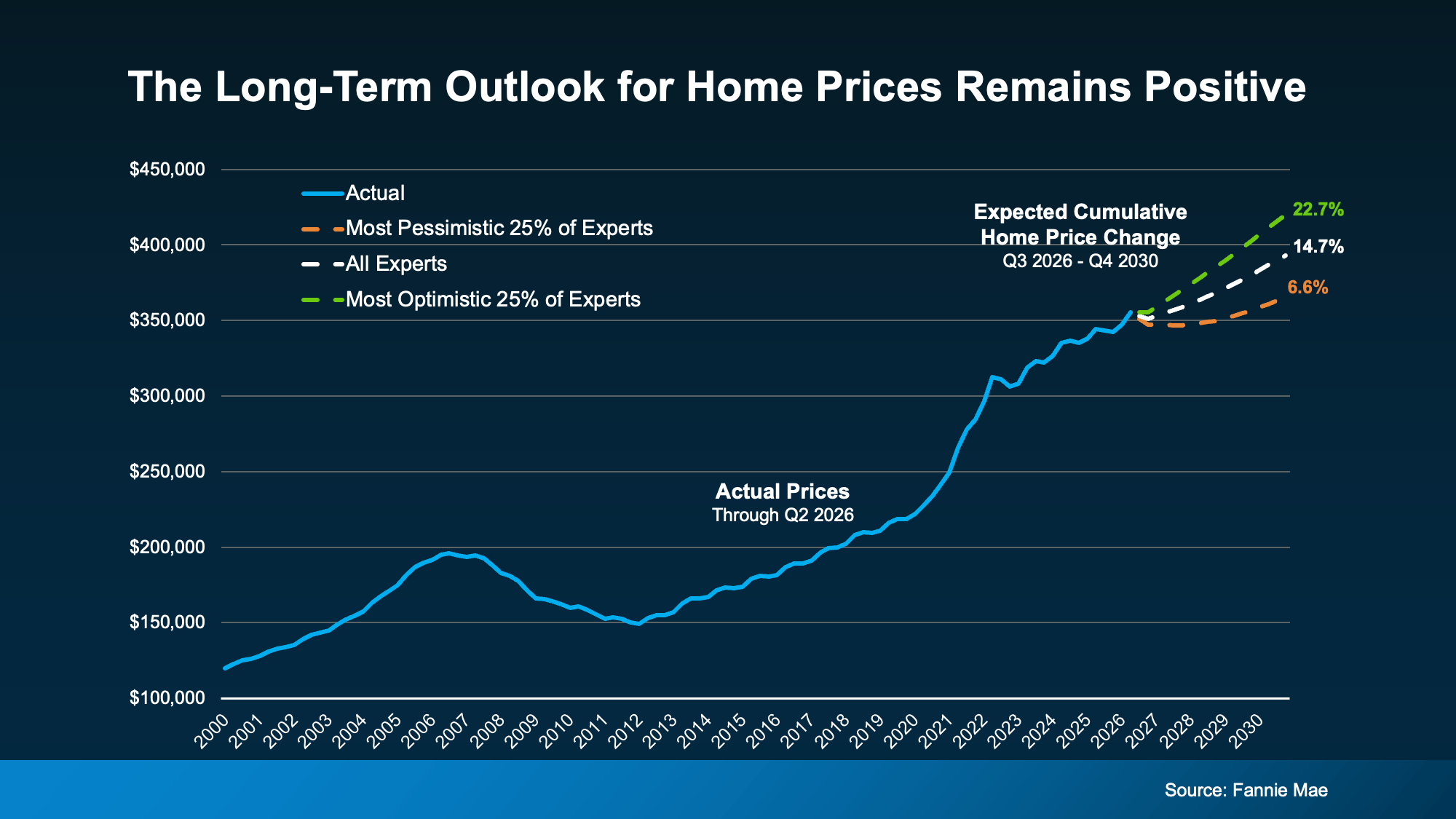
The latest Fannie Mae Home Price Expectations Survey, which polls more than 100 housing experts, projects continued price appreciation nationally through at least 2030. Even the most conservative forecasters still expect home prices to be higher in five years.
That may disappoint those hoping for dramatic price declines, but it matches what we’re seeing here in New York City.
National Headlines Don’t Always Reflect New York City
New York City’s housing market operates differently than many parts of the country.
Markets that experienced significant overbuilding often face very different challenges than Manhattan and much of Brooklyn. Here, supply remains relatively constrained, particularly in desirable neighborhoods and for well-priced properties.
As of late September, Manhattan inventory stood at 5,829 active listings, which sounds substantial until you realize supply remains 11.9% below where it was one year ago. Nearly one-third of listings are brand new to the market, giving buyers more choices than they had earlier this year, but overall inventory remains historically tight.
The result is not a market that resembles a crash. Instead, it is a market adjusting to higher borrowing costs while continuing to grapple with limited housing supply.

The Bigger Story Right Now Is Mortgage Rates
If anything is slowing the market, it isn’t a flood of inventory.
It’s affordability.
Thirty-year conforming mortgage rates recently climbed to 7.14%, while jumbo rates reached 7.17%, marking a second consecutive week above 7%.
Higher rates reduce purchasing power and make buyers more selective. That helps explain why Manhattan’s contract activity has softened. Thirty-day contract activity currently sits 16.6% below last year’s level, the widest year-over-year gap recorded this year.
Yet even with demand cooling, prices have not collapsed.
Why?
Because inventory remains constrained relative to historical norms, creating a balance that still supports pricing.

Buyers Have More Leverage Than They’ve Had in Years
This isn’t 2021.
Buyers today have more negotiating power, more inventory to review, and less competition than they experienced during the frenzy of the pandemic years.
UrbanDigs describes today’s buyer pool as the thinnest of 2026, giving buyers maximum leverage in many negotiations. Luxury properties are taking longer to sell, with listings priced above $4 million averaging 145 days on the market.
That creates opportunities for thoughtful buyers willing to do their homework and negotiate strategically.
The key distinction is that enhanced negotiating power isn’t the same as a housing crash.

Why Waiting Can Be Expensive
Many prospective buyers are trying to time the market.
The challenge is that waiting for a dramatic decline often means missing years of potential appreciation, building equity later, or paying higher prices if the anticipated correction never arrives.
History shows that real estate markets rarely move in a straight line. Some neighborhoods, property types, and individual buildings will always outperform or underperform broader trends.
But housing economists largely agree that prices are expected to be higher five years from now than they are today.
For New York City buyers, the bigger question may not be whether prices will fall dramatically.
It may be whether today’s mix of increased inventory, reduced competition, and greater negotiating leverage creates an opportunity that won’t last forever.

Waiting for a Crash May Be the Bigger Risk
The conversation isn’t really about whether the market will slow. It already has.
Contract activity has softened, mortgage rates have climbed above 7%, and buyers have gained negotiating power.
The question is whether that slowdown turns into the crash many people are waiting for.
Current forecasts suggest otherwise. Local market data suggests otherwise. And Manhattan’s continuing inventory constraints suggest otherwise.
If you’re considering a purchase, sale, or investment move in New York City, focus less on predicting the next crash and more on understanding the opportunities that exist in today’s market.